About Paul Laurence Dunbar
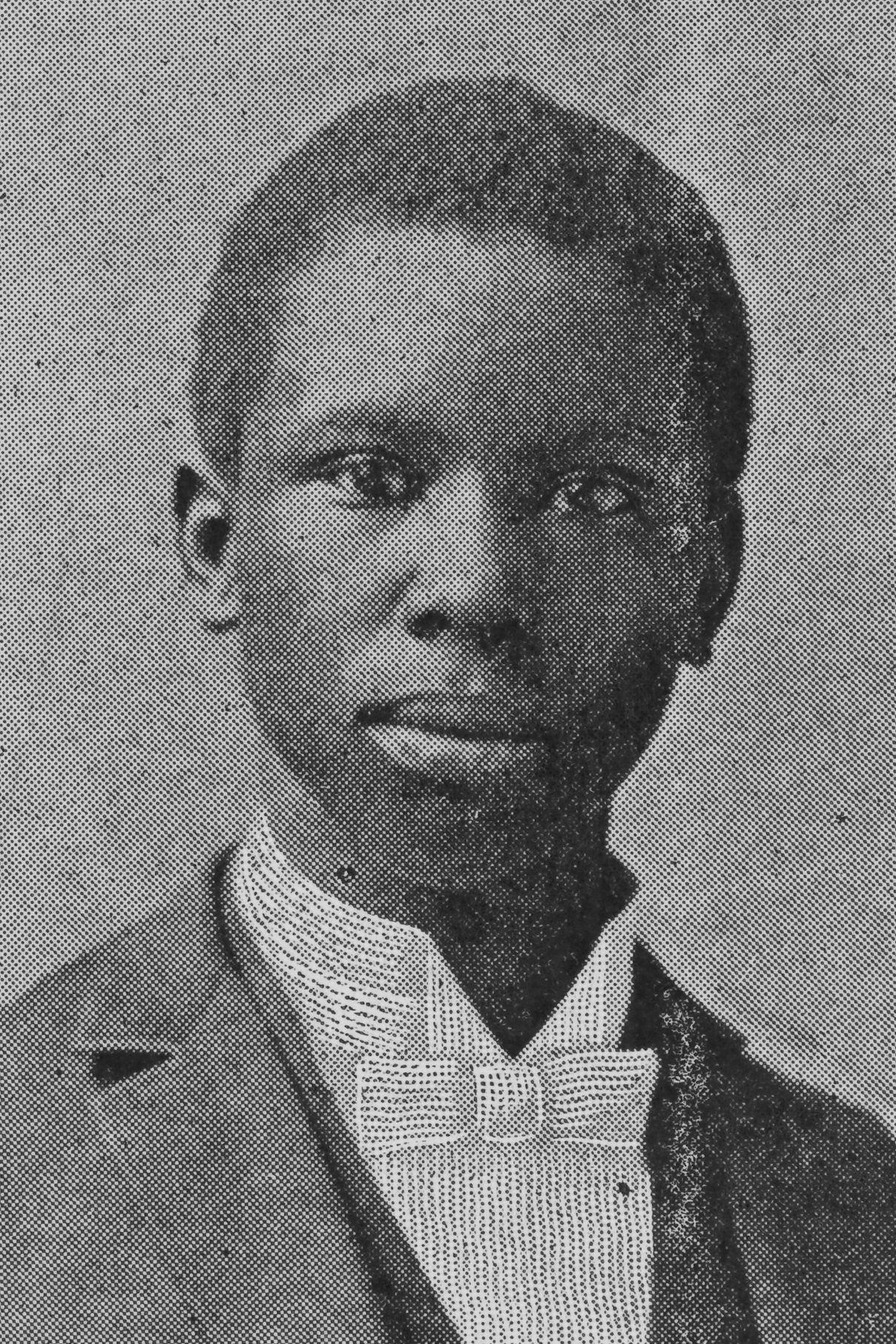
(1872-1906)
The third book in the Art and Verse children’s picture book series features “Spring Song,” a poem by the renowned American poet Paul Laurence Dunbar.
Dunbar was born in Kentucky on June 27, 1872, to two formerly enslaved people and found his love of writing early in life. While living with his widowed mother in Ohio, Dunbar was the only Black student in his high school class, where he was friends with future co-inventor of the airplane, Orville Wright.
He served as president of the school literary society, editor-in-chief of the school paper, and class poet. By the time he graduated, Dunbar was already a published poet, having his work printed in the Dayton Herald.
While working odd jobs after high school, Dunbar became a prolific writer and continued to publish his work, much of which was in the dialect style that later made him famous.
As his writings became more well known, he self published his first book of poems in 1893, titled “Oak and Ivy.” Through partnerships with influential attorney Charles A. Thatcher and psychiatrist Henry A. Tobey, Dunbar’s second poetry book, “Major and Minors” was published by Hadley & Hadley, cementing his importance as a voice for the Black community at that critical point in history.
His acclaimed book of poems titled “Lyrics of Lowly Life” was published in 1896 and contains “Spring Song,” the poem featured in Van Dusen Books’ Art and Verse picture book series.
His highly regarded poem “Sympathy” first appeared in the 1899 collection titled “Lyrics of the Hearthside,” and featured the line, “I know why the caged bird sings,” a phrase made iconic by fellow poet Maya Angelo when she used it as the title of her autobiography.
After contracting tuberculosis and other illnesses near the turn of the century, Dunbar continued to publish poetry books, short stories, novels, and other works. He died February 9, 1906, at age 33.
Overall, Dunbar’s body of work is considered a valuable and significant representation of Black life in the turn-of-the-century United States.
See a complete list of Dunbar’s books on the website for Wright State University, which houses a near-complete collection of his first edition works.
Note: “Spring Song” is in the public domain of the United States.
 Van Dusen Books